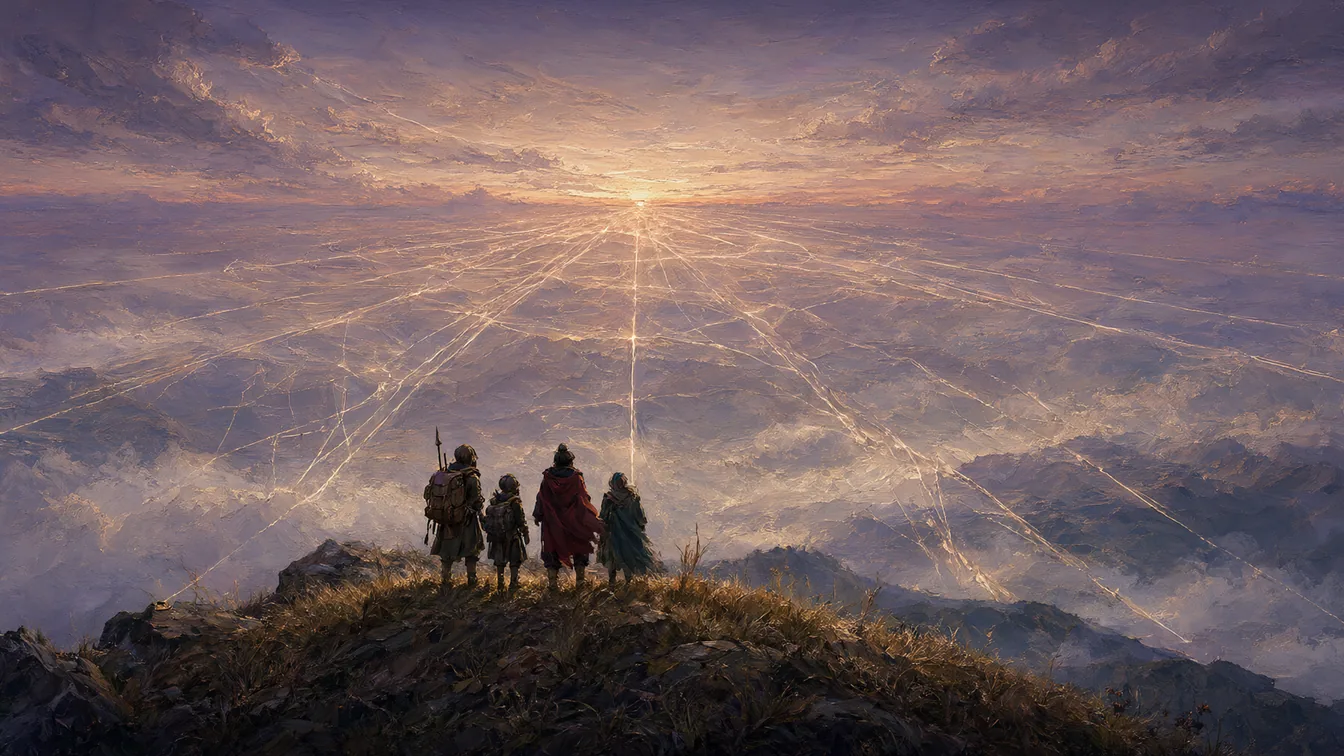
Ashes of the First World in a weekend: a whole JRPG campaign, and what it didn't skip
Game I's prologue, twelve chapters and epilogue went from a vertical slice to fully implemented over one weekend. Here's what that took, and what's still wrong.
From a lost Souls-like to a studio with three games in development, built by directing AI on my own hardware.
I’m not an artist or a programmer by training. The plan from day one was to direct AI end to end: my local assistant writes and runs Unity and Blender code through bridges, Claude plans and proofreads, and I decide.
My first game: IronKeep, a low-poly, cel-shaded Souls-like action RPG in Unity 6 (URP).
What worked: a real combat loop. Player movement, an enemy state machine, checkpoints, a health UI. I tested a toon shader and started a Blender pipeline for an armored hero, a stylized young warrior with a greatsword.
What went wrong:
On Sep 27 the old Blender scene was gone for good. I restarted on a full ready-made template, More Mountains’ TopDown Engine, as a Zelda: A Link to the Past-style game with 3D meshes.
Lesson: use free or prebuilt systems wherever you can.
I picked a studio name: Tensor Games. T.E.N.S.O.R. stands for Technical Engine for Narrative, Simulation & Open Rendering. The site went live on Oct 11.
The goal changed too: start making money from games, using the lab I already had. I built a 2D top-down dungeon shooter on TopDown Engine, with a story idea called “The Undercroft” (find your brother, face The Warden) and an upgrade choice after each room.
On Oct 2 I started building directly with Claude, with Claude writing code and me running it on game-dev, instead of going through my local model. I wanted something genuinely good.
The same day, the real idea landed. I wanted a first-person zombie survival game, a bit like State of Decay: shooting, base building, survivors. But what I cared about most was a real story, beginning to end, in a post-apocalyptic world. State of Decay doesn’t have one.
The full three-act story was approved on Oct 2. Read about The Long Rot →
Next to The Long Rot, I started GridBorne, an original science-fiction real-time strategy game with three factions and a planned 30-mission campaign. It grew out of the StarCraft native engine work and has its own standalone engine, story, art, voices and music. All 30 campaign maps are built; testing and tuning mission by mission is the work now.
I wanted a game I could finish with the pipeline I actually have, and that meant 2D. Ashes of the First World is an original, story-driven fantasy JRPG, Game I of a planned trilogy, on a custom C++20/SDL3 engine with illustrated 2D art and side-view Active Time Battle. Its whole Game I campaign, a prologue, 12 chapters and an epilogue, was implemented in one weekend, and it’s now in independent playtesting. The build story.
Directing AI through Unity’s editor was always the fragile part. So I’m having Claude Code build Tensor Engine 3D, a standalone, reusable 3D engine where every capability is a command an AI agent can run. It’s separate from the Ashes engine (which is 2D), it isn’t released, and its first target is The Long Rot.
One person, several specialist agents, and a homelab that does most of the compute: My AI production pipeline.
A game with a small AI model inside the game files that makes up NPC, enemy and hero lines live. It would assume players have 6–12GB GPUs. (Idea stage.)
Posts about the pipeline behind the games:
Game I's prologue, twelve chapters and epilogue went from a vertical slice to fully implemented over one weekend. Here's what that took, and what's still wrong.
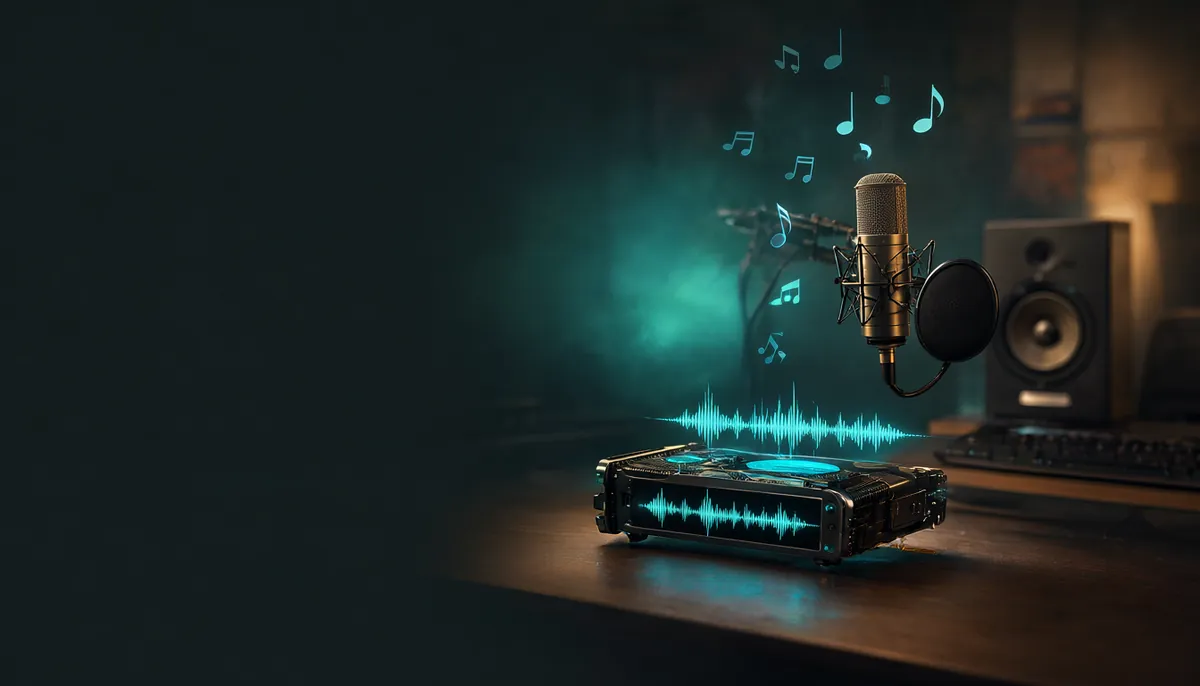
Sound effects, music and eight-plus character voices for The Long Rot, generated on a single P100 and auditioned right in chat.

Two agents with their own vision brains: one plays Unity scenes with a controller, one inspects Blender models. And why the first brain I gave them never tested anything.
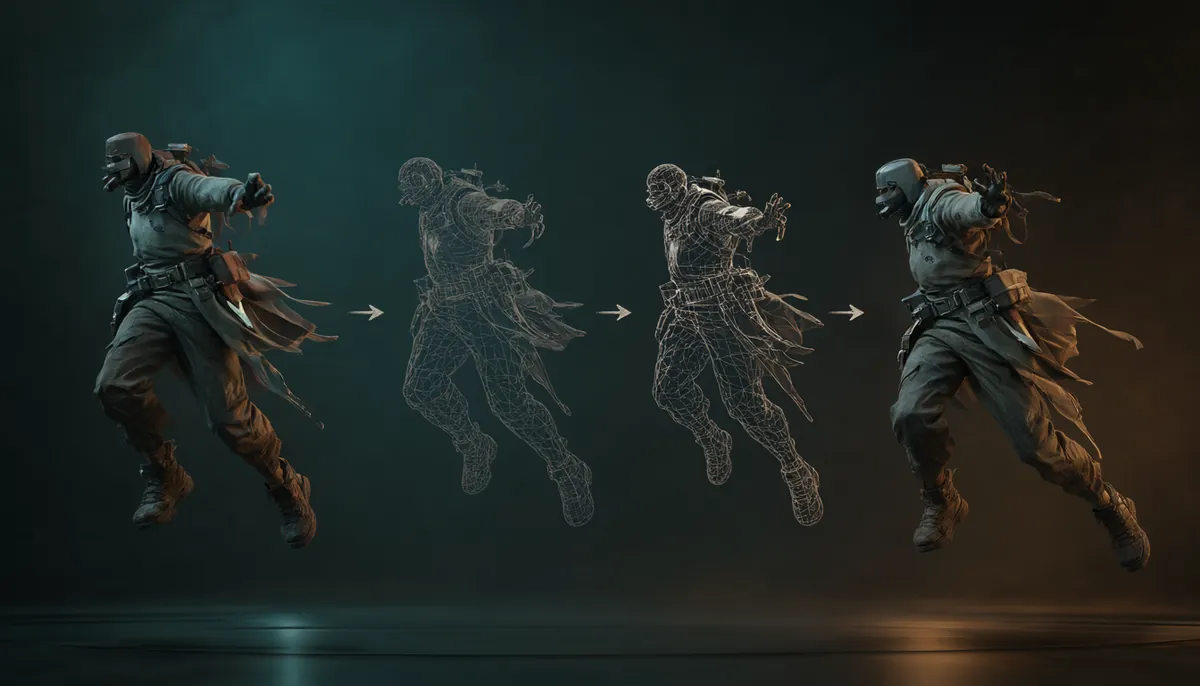
Five image models, a four-view trick, Hunyuan3D for shape and paint, and why I accept ten minutes per character.